
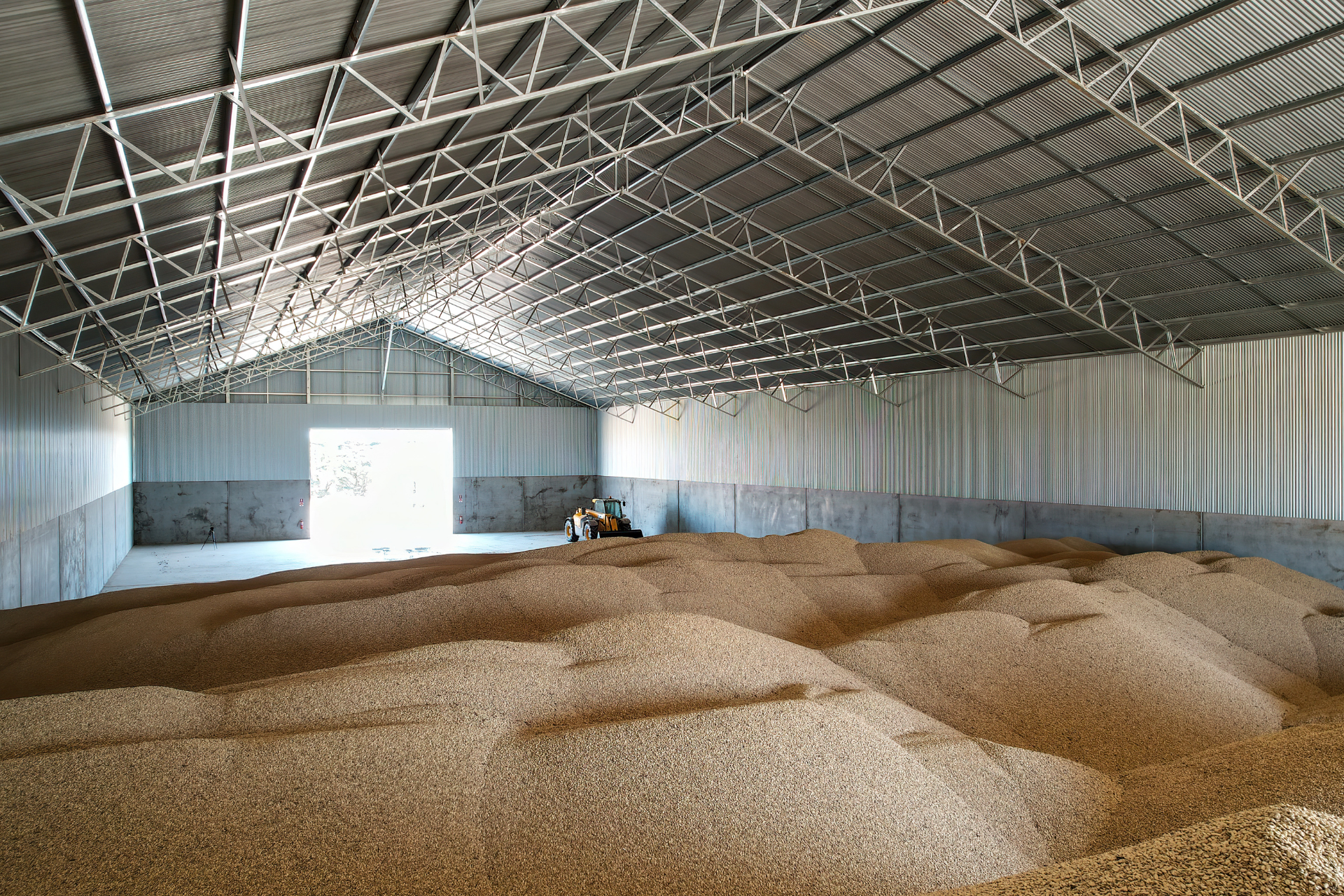

Agriculture demands infrastructure that is durable, practical, and built for long-term performance. Among the most valuable structures on any property are farm sheds, which serve as the operational backbone of equipment storage, livestock protection, feed preservation, and daily workflow organization. A thoughtfully designed shed does far more than keep machinery dry. It creates efficiency, protects investments, and supports year-round productivity.
Whether you operate a row crop farm, a livestock ranch, or a mixed agricultural property, understanding how to design and optimize your shed space can significantly influence profitability and sustainability.
Understanding the Core Purpose of Farm Sheds
Before selecting materials or drafting plans, it is essential to define the primary function of the structure. Farm sheds are not one-size-fits-all buildings. Their design should directly reflect the operational priorities of the property.
Equipment Protection
Modern agricultural equipment represents a significant capital investment. Tractors, combines, sprayers, seed drills, and attachments contain sensitive electrical and hydraulic systems. Exposure to rain, snow, intense sun, and humidity accelerates wear.
Proper shelter provides:
-
Protection from rust and corrosion
-
Extended lifespan of tires and rubber components
-
Reduced fading and cracking of interiors
-
Preservation of onboard electronics
Keeping machinery indoors also reduces maintenance frequency and unexpected repair costs.
Crop and Feed Storage
Hay, grain, and bagged feed require dry and ventilated environments. Excess moisture can lead to mold growth, nutrient degradation, and even combustion in improperly cured hay.
A well-designed shed supports:
-
Controlled airflow
-
Reduced moisture accumulation
-
Organized stacking systems
-
Safe access for loaders and forklifts
Efficient storage preserves quality and prevents costly losses.
Livestock Shelter
For farms with animals, sheds often double as protective housing. Even hardy livestock benefit from shade during summer heat and protection from wind during winter.
Key advantages include:
-
Lower stress levels in animals
-
Improved weight gain
-
Better reproductive performance
-
Reduced exposure to extreme weather
The design must account for ventilation, drainage, and sanitation.
Choosing the Right Structure Type
Selecting the appropriate structural design depends on usage, budget, and future growth plans.
Open-Sided Sheds
Open-sided sheds are popular for machinery and hay storage. They allow easy entry and excellent airflow.
Benefits include:
-
Quick equipment access
-
Lower construction costs
-
Natural ventilation
-
Simple expansion options
However, open designs may not provide enough protection in areas with severe wind or heavy snow.
Fully Enclosed Sheds
Fully enclosed sheds offer maximum protection from weather and theft.
These structures often include:
-
Lockable doors
-
Insulated walls
-
Concrete flooring
-
Interior lighting
They are ideal for workshops, valuable equipment, or feed that must remain completely dry.
Multi-Purpose Combination Buildings
Many farm owners prefer combination buildings that integrate multiple functions under one roof. For example, one section may house machinery, another may serve as a workshop, and a third may provide livestock shelter.
This approach increases efficiency by centralizing operations and reducing walking or driving distances between tasks.
Material Selection and Long-Term Durability
The material used in construction directly affects lifespan, maintenance needs, and overall cost.
Steel Construction
Steel-framed sheds are widely used in modern agriculture because of their strength and resilience.
Advantages include:
-
High resistance to pests
-
Long structural lifespan
-
Minimal maintenance
-
Strong wind and snow load capacity
Galvanized steel coatings provide additional corrosion resistance, especially in humid or coastal environments.
Wood Framing
Wood remains a traditional choice for smaller or more rustic operations. It offers aesthetic appeal and flexibility in customization.
However, wood requires:
-
Regular sealing or painting
-
Termite prevention measures
-
Monitoring for rot and moisture damage
When properly maintained, wooden sheds can last for decades.
Concrete and Flooring Options
Flooring plays a major role in usability. Options include:
-
Gravel for drainage and lower cost
-
Compacted dirt for basic shelter
-
Reinforced concrete for heavy equipment
Concrete floors are particularly valuable in workshops and livestock areas because they simplify cleaning and improve sanitation.
Site Planning and Location Strategy
Where you build your shed matters just as much as how you build it.
Drainage and Elevation
Choose a site with natural elevation to prevent water accumulation. Poor drainage can weaken foundations and create muddy access routes.
Grading the land before construction helps ensure:
-
Stable foundations
-
Reduced erosion
-
Improved longevity
Proper drainage systems such as gutters and downspouts further protect the structure.
Accessibility and Workflow
Position sheds strategically to streamline daily operations. Consider:
-
Distance from fields
-
Proximity to livestock pens
-
Access to main farm roads
-
Turning radius for large equipment
A poorly placed shed can create unnecessary travel time and reduce efficiency during busy seasons.
Sun and Wind Orientation
Orientation affects both comfort and durability. Position openings away from prevailing winds to reduce weather exposure. South-facing openings can increase natural light and warmth during winter months.
Thoughtful placement reduces reliance on artificial lighting and mechanical ventilation.
Custom Features That Improve Productivity
Modern farm sheds often include enhancements that increase functionality and comfort.
Doors and Entry Systems
Selecting the right door type improves workflow.
Common options include:
-
Sliding barn doors
-
Roll-up steel doors
-
Bi-fold doors for wide openings
Automated door systems can save time and reduce physical strain.
Lighting and Electrical Integration
Lighting extends usable hours during planting and harvest seasons.
Consider installing:
-
LED overhead fixtures
-
Motion-activated exterior lights
-
Dedicated circuits for power tools
Electrical planning should anticipate future equipment upgrades.
Ventilation Systems
Proper airflow is essential for both machinery preservation and livestock health.
Ventilation solutions may include:
-
Ridge vents
-
Wall louvers
-
Ceiling fans
-
Exhaust systems
Balanced airflow prevents condensation and improves air quality.
Insulation Options
Insulation is especially valuable in climates with extreme temperature swings.
Benefits include:
-
Stable interior temperatures
-
Protection for sensitive equipment
-
Improved animal comfort
-
Lower heating and cooling costs
Spray foam and rigid board insulation are common choices.
Budget Planning and Financial Considerations
Careful budgeting prevents unexpected financial strain during construction.
Cost Variables
Several factors influence total project cost:
-
Building size and height
-
Material selection
-
Site preparation requirements
-
Labor expenses
-
Electrical and plumbing installations
Obtaining multiple contractor estimates can help clarify realistic expectations.
Financing and Tax Benefits
In many cases, agricultural structures may qualify for tax deductions or depreciation benefits. Consult a tax professional to understand how a new shed could impact your financial planning.
Some agricultural lenders also offer financing programs tailored for infrastructure improvements.
Insurance Adjustments
Adding a permanent structure typically requires updating your property insurance policy. While this may increase premiums slightly, properly storing equipment can lower risk exposure and potentially offset costs.
Maintenance Strategies for Longevity
Preventative maintenance protects your investment.
Seasonal Inspections
Conduct inspections at least twice a year.
Look for:
-
Roof panel damage
-
Loose bolts or fasteners
-
Signs of rust
-
Cracks in concrete floors
Early repairs prevent costly structural problems.
Cleaning and Organization
Keeping the interior clean improves safety and efficiency.
Best practices include:
-
Removing debris from gutters
-
Sweeping floors regularly
-
Organizing tools in designated storage areas
-
Labeling storage sections
A clean shed reduces fire hazards and pest attraction.
Pest Management
Rodents can damage wiring and contaminate feed. Seal gaps, install screens over vents, and use approved pest control methods to protect stored materials.
Expanding or Retrofitting Existing Sheds
As farms grow, infrastructure must adapt.
Adding Lean-To Extensions
Lean-to additions provide extra covered space without requiring a completely new structure. They are ideal for additional hay storage or equipment parking.
Upgrading Interior Layouts
Installing partition walls or mezzanine storage platforms maximizes vertical space and improves organization.
Reinforcing Older Buildings
If you own an older shed, consider reinforcing structural supports and upgrading roofing materials to meet modern wind and snow load standards.
Frequently Asked Questions
Real-World FAQ About Farm Sheds
How tall should a farm shed be for modern equipment?
Many newer tractors and combines require at least 14 to 18 feet of clearance. Always measure your tallest equipment, including attachments, before finalizing design plans. Planning for extra height accommodates future purchases.
Can farm sheds be relocated after installation?
Some prefabricated steel sheds can be dismantled and relocated, but the process requires professional assistance. Concrete foundations make relocation more difficult, so portability should be considered during the planning stage.
Is it possible to convert a shed into a climate-controlled space?
Yes. Retrofitting with insulation, HVAC systems, and vapor barriers can transform a basic shed into a climate-controlled workshop or storage area for sensitive materials. Electrical capacity must be evaluated before adding heating or cooling systems.
What fire safety measures should be included?
Installing fire extinguishers, smoke detectors, and proper wiring significantly reduces risk. Avoid overloading electrical circuits and keep flammable materials stored safely away from heat sources.
How can I reduce noise inside a metal shed?
Adding insulation, acoustic panels, and rubber flooring can dampen echo and vibration. This is especially helpful in workshop settings where power tools are frequently used.
Are permits always required for agricultural sheds?
Permit requirements vary by county and state. Even in rural areas, building codes may regulate size, height, and structural standards. Always verify local regulations before beginning construction.
What is the best roof style for heavy snowfall regions?
Steeper roof pitches allow snow to slide off more easily, reducing load stress on the structure. Reinforced framing and proper insulation also improve performance in cold climates.
How do I protect stored equipment from theft?
Install secure locking systems, motion-activated lighting, and, if possible, surveillance cameras. Fully enclosed sheds offer greater protection than open-sided structures.
Carefully designed and strategically built farm sheds strengthen the foundation of any agricultural operation. With thoughtful planning, durable materials, and ongoing maintenance, these structures become indispensable assets that support productivity and safeguard valuable resources for years to come.

Comments are closed.