
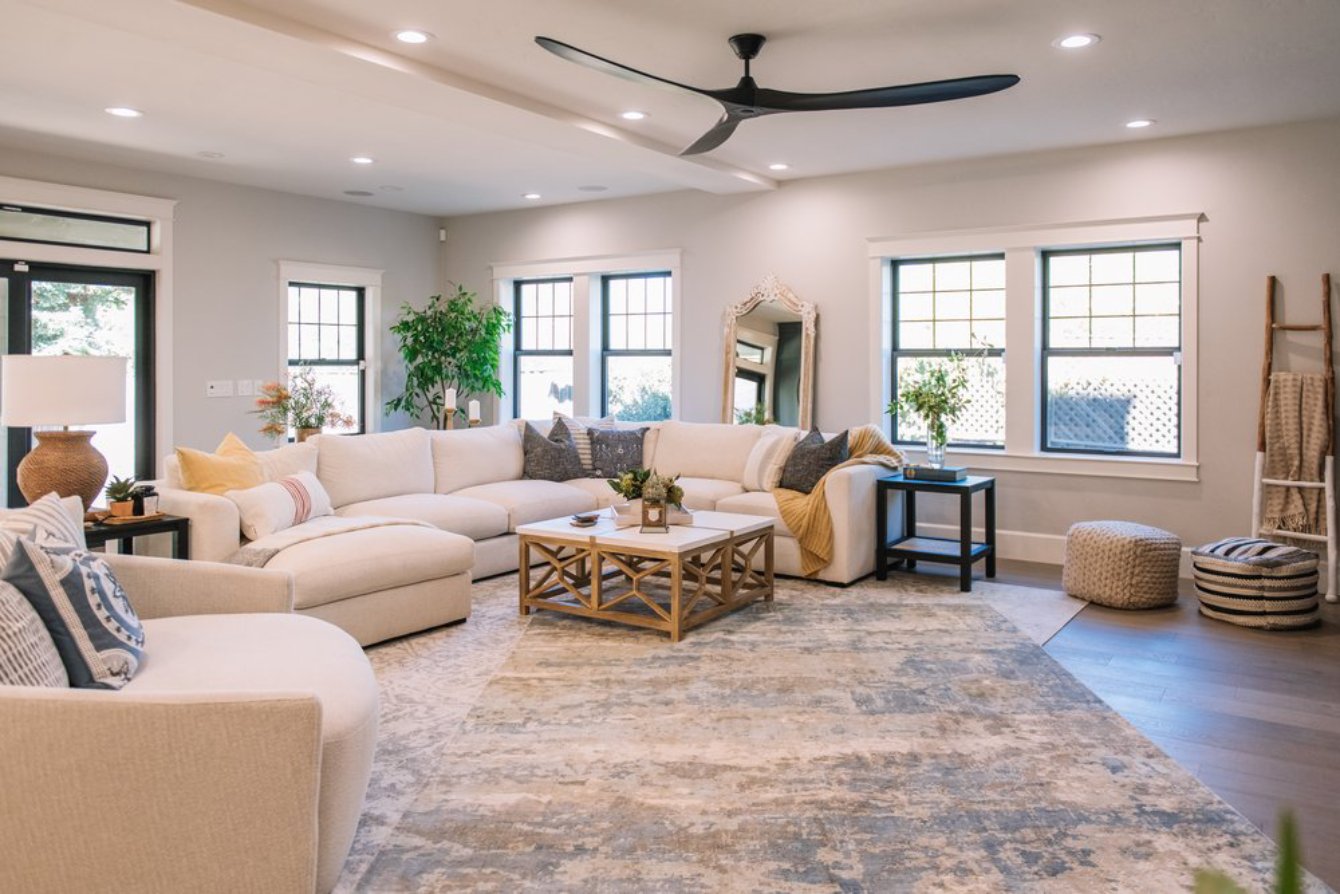

Home remodeling is more than a cosmetic refresh—it’s a strategic investment in comfort, functionality, and long-term value. Whether you’re modernizing a single room or rethinking your entire layout, a thoughtful approach can turn ideas into durable results that fit your lifestyle.
What Remodeling Really Means
Remodeling involves altering an existing space to improve how it looks, feels, or functions. Unlike simple repairs, remodeling may change layouts, update systems, or introduce new materials to better align with current needs.
Common goals include:
-
Improving functionality and flow
-
Updating outdated designs
-
Increasing energy efficiency
-
Boosting property value
Popular Remodeling Projects That Deliver Results
Kitchen Remodeling
The kitchen often anchors the home. Smart upgrades focus on workflow, storage, and durability.
-
Cabinet refacing or replacement
-
Quartz or granite countertops
-
Energy-efficient appliances
-
Improved lighting plans
Bathroom Remodeling
Bathrooms benefit greatly from space optimization and moisture-resistant materials.
-
Walk-in showers and frameless glass
-
Water-saving fixtures
-
Heated flooring for comfort
-
Better ventilation systems
Living Areas and Open Concepts
Opening walls can transform how a home feels and functions.
-
Improved natural light
-
Better sightlines for families
-
Flexible spaces for work and relaxation
Basement and Attic Conversions
Unused spaces can become:
-
Guest suites
-
Home offices
-
Entertainment rooms
-
Rental units
Planning a Successful Remodel
Define Clear Objectives
Before any demolition begins, identify why you’re remodeling.
-
Is it for resale?
-
Growing family needs?
-
Lifestyle upgrades?
Clear goals guide smarter decisions and prevent costly changes later.
Set a Realistic Budget
A strong budget includes:
-
Labor and materials
-
Design fees
-
Permits and inspections
-
10–20% contingency for surprises
Hire the Right Professionals
Experienced contractors and designers bring structure and foresight. Look for:
-
Transparent estimates
-
Strong portfolios
-
Clear timelines
-
Written contracts
The Remodeling Process Step by Step
-
Initial assessment and measurements
-
Design development and material selection
-
Permits and scheduling
-
Demolition and construction
-
Finishes, inspections, and walkthrough
Patience during this phase pays off with fewer mistakes and smoother execution.
Materials That Balance Style and Longevity
Choosing the right materials protects your investment.
-
Hardwood or luxury vinyl flooring for durability
-
Low-VOC paints for healthier interiors
-
Composite decking for low maintenance
-
LED lighting for efficiency and lifespan
Common Remodeling Mistakes to Avoid
-
Skipping professional design input
-
Underestimating timelines
-
Choosing trends over practicality
-
Ignoring structural or electrical upgrades
-
Cutting corners on labor quality
Avoiding these pitfalls saves time, money, and frustration.
Remodeling for Long-Term Value
Not all upgrades offer equal returns. High-impact improvements include:
-
Kitchen and bathroom updates
-
Energy-efficient windows and insulation
-
Modernized plumbing and electrical systems
-
Improved curb appeal
A remodel that blends aesthetics with performance tends to age better and appeal to future buyers.
Frequently Asked Questions
How long does a typical remodeling project take?
Timelines vary by scope. A bathroom remodel may take 3–6 weeks, while whole-home renovations can extend several months.
Is remodeling cheaper than building a new home?
In many cases, yes. Remodeling leverages existing structures, reducing land and foundation costs.
Do I need permits for remodeling?
Most structural, electrical, or plumbing changes require permits. Always verify local regulations before starting.
Can I live in my home during remodeling?
For smaller projects, yes. Large-scale renovations may require temporary relocation for safety and convenience.
How do I choose the right contractor?
Look for licensed professionals with proven experience, clear communication, and detailed written estimates.
What remodeling projects add the most resale value?
Kitchens, bathrooms, energy-efficient upgrades, and improved layouts typically deliver the strongest returns.
How can I make my remodel more sustainable?
Use recycled materials, energy-efficient appliances, proper insulation, and water-saving fixtures to reduce environmental impact.

Comments are closed.