

When every bottle becomes part of the room’s visual story
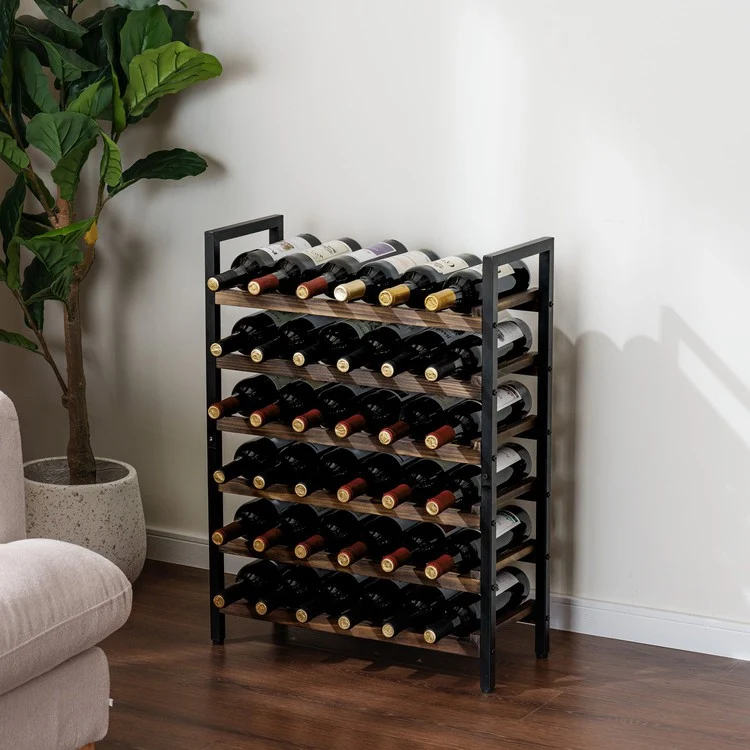
A wine collection changes character when the bottles are easy to see. Labels, glass colors, and bottle shapes begin to form part of the room rather than disappear behind deep cabinets. That shift can make even a modest collection feel more thoughtful. It also asks for discipline because every row, gap, and finish remains visible. We developed this guide for homeowners who want a lighter alternative to traditional wooden storage. A refined display can be created with metal wine display racks designed around the wall, bottle count, viewing angle, and style of the surrounding space. The rack becomes a quiet framework while the wine provides the color and personality.
This guide covers layout, bottle orientation, finish selection, support, and room planning. We will explain how slim metal lines can increase visual space without reducing useful storage. You will also learn why a dramatic wall still needs safe access and room for future bottles. Metal systems can suit dining rooms, glass cellars, hallways, tasting areas, and compact spaces that cannot hold large cabinets. Some designs present labels toward the viewer, while others store bottles sideways for greater capacity. Neither approach is always better. The right choice depends on how often bottles are selected, how the room is viewed, and whether storage or display is more important.
How should bottle orientation guide the first rack layout
Bottle direction affects capacity, label visibility, and the shape of the full display. Decide what people should notice first before choosing the rack pattern. A front-facing bottle creates a gallery effect and simplifies selection. Sideways placement shows the bottle profile and may fit more wine into a narrow section. Mixed orientations can divide everyday bottles from special selections. The pattern should still feel calm when the collection grows.
- Lead with label-forward bottles
Place meaningful labels where they can be read at a glance. Use this format for rare wines, favorite regions, or bottles tied to special events. Leave enough space so the display does not look crowded.
- Add sideways storage for capacity
Sideways rows hold bottles in a familiar cellar position. They work well for larger groups of similar wines. Repeated spacing gives the wall a clean rhythm.
- Reserve room for larger formats
Champagne bottles, magnums, and unusual shapes may not fit standard supports. Measure them before approving the layout. A small flexible zone can prevent future storage problems.
- Keep growth space within the pattern
Do not fill every available position on the first day. Empty spaces let new bottles enter without disturbing the design. They also give the display useful visual breathing room.
What finish choices help metal racks suit the surrounding room
The rack finish should connect with nearby materials without matching every detail. Black metal can add structure beside pale walls or glass. Silver tones often feel lighter and may work well near stainless steel or cool stone. Bronze and warmer finishes can soften modern rooms that include wood. The best choice depends as much on lighting as on color. A finish may appear very different under daylight and evening fixtures.
Compare each option with
- Door and cabinet hardware already in the room
- Flooring stone and nearby wood tones
- Wall color and glass reflections
- Daylight and nighttime lighting
- The colors seen across the bottle collection
Request physical finish samples whenever possible. View them vertically because that is how the rack will appear after installation. Place several bottles beside each sample instead of judging bare metal alone. Avoid using too many finishes across one small wall. A limited palette usually gives the collection a stronger and more settled presence.
Why must wall support and spacing be planned before installation
A metal rack may look delicate, but it carries a significant combined load. Bottles, hardware, and repeated handling place stress on the mounting surface. The wall structure should be checked before finalizing the rack positions. Drywall alone may not provide the support required for every system. Studs, backing, or another approved mounting method may be needed. Installation details should follow the rack maker’s guidance.
Use this planning checklist
- Confirm the wall type and available structural backing
- Calculate the expected bottle load for the full display
- Leave room for safe bottle removal
- Keep racks clear of doors and busy walkways
- Coordinate lighting and cooling before mounting begins
Spacing must suit the actual bottles, not only the drawing. Test how a bottle enters and leaves each position. Make sure nearby glass, trim, or shelving does not restrict movement. A secure installation protects the collection while preserving the clean appearance that made metal storage appealing in the first place.
Give the collection room to speak without adding visual weight
Metal wine racks can make bottle storage feel open, ordered, and closely tied to the home. Their success depends on more than a slim profile. Bottle orientation, finish, wall strength, spacing, and future capacity must all support the same design idea. We recommend starting with a small map of the collection and marking which wines deserve clear display. Then test finishes beside the real room materials and review every mounting detail before work begins. Keep the framework simple enough for the bottles to remain the focus. Let the finished wall grow slowly, one well-chosen bottle at a time, until the display feels yours unmistakably.

Comments are closed.