
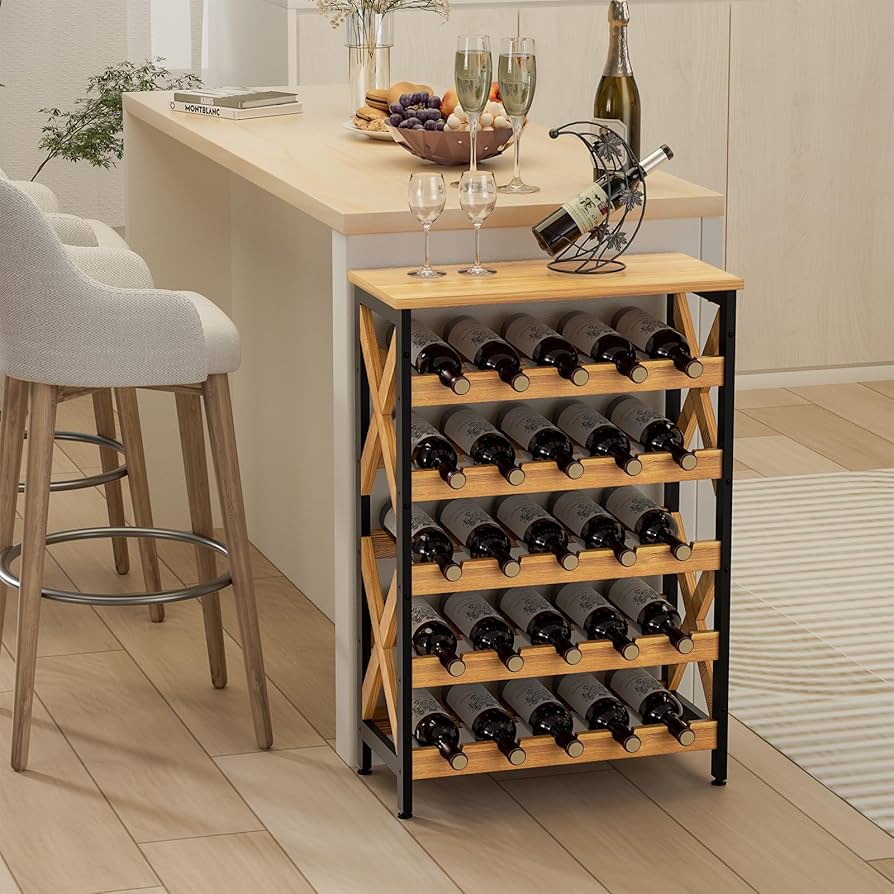

Strong wine storage begins with the bottles you plan to keep
A wine rack may look simple when it holds only a few bottles. The real test arrives as the collection grows, shelves fill, and larger formats enter the room. Weak joints can shift, narrow openings may become awkward, and rushed layouts can waste useful space. We prepared this guide for collectors who want storage that feels dependable from the first bottle to the hundredth. A cellar can be planned around sturdy wood wine racks chosen for bottle size, room dimensions, capacity goals, and interior style. The right system should hold the collection securely while making each bottle easy to reach.
This guide explains wood selection, rack construction, bottle spacing, room planning, and long-term care. It also explores why strength depends on more than thick pieces of lumber. Joinery, support points, installation, and weight distribution all shape performance. Modular designs may help owners expand storage without rebuilding the entire cellar. Display rows can highlight special labels, while denser sections protect everyday bottles and unopened cases. The goal is not to fill every wall immediately. It is to build a stable framework that can grow naturally with the collection and remain attractive through years of use.
What construction details make a wooden wine rack dependable
A strong rack should feel solid before any bottle is added. Look closely at the joints, supports, shelves, and contact points. Pieces should fit evenly without visible gaps or unstable movement. Bottle openings must support the glass without pressing against labels or closures. Long spans may require added bracing to prevent sagging. The full unit should also remain level after assembly.
Check these quality details
- Secure joints with clean alignment
- Smooth bottle supports without sharp edges
- Adequate bracing across wider sections
- Consistent spacing between storage openings
- Hardware suited to the rack design
Wood thickness alone does not guarantee strength. A well-designed lighter rack may outperform a bulky unit with weak connections. Review the stated capacity and assembly instructions before buying. When possible, choose a system that can be secured to surrounding walls or structures as directed. Dependable construction keeps the bottles steady while preserving the rack’s shape.
How should room measurements guide rack size and placement
Start with the usable room, not the total wall area. Doors, trim, vents, outlets, cooling equipment, and walkways may reduce available space. Record the height, width, and depth of each proposed section. Leave enough room to remove bottles without striking a nearby wall. Aisles should remain comfortable even when someone carries a case. Accurate measurements prevent an attractive layout from becoming difficult to use.
- Map every fixed feature
Mark doors, switches, vents, pipes, and baseboards. Include anything that affects rack depth or access. A clear room sketch can prevent expensive placement errors.
- Measure the largest bottles
Standard openings may not fit Champagne bottles or magnums. Record the widest and longest formats in the collection. Give them a separate storage zone when needed.
- Protect comfortable movement
Leave clear paths between racks and nearby furniture. Bottles should be easy to lift without twisting the body. Wider access also makes cleaning and future repairs simpler.
- Reserve space for expansion
Do not design only for today’s bottle count. Leave open sections or plan compatible future modules. Growth space keeps new purchases from becoming clutter.
Why should wood species and finish suit the cellar climate
Wood responds to its surroundings. Changes in moisture and temperature may affect its size, surface, or finish. A wine room should therefore remain stable before racks are installed. The selected wood species must suit the desired appearance and project conditions. Some woods show bold grain, while others provide a quieter background. Stains and clear finishes can also change how the rack relates to nearby flooring or cabinets.
Consider these material factors
- Natural grain and color variation
- Stability in the intended room conditions
- Compatibility with stains or clear finishes
- Resistance to everyday handling
- Visual connection with nearby materials
View real samples inside the room when possible. Artificial lighting may make a finish appear warmer or darker than expected. Avoid placing unfinished or unsuitable wood near moisture sources. A stable environment helps protect both the rack and the wine it holds. Material choices should feel lasting rather than tied to a short design trend.
What installation and care habits preserve long-term strength
Even a well-built rack can fail when placed on an uneven floor or assembled incorrectly. Follow every installation step in the stated order. Confirm that each section stands level and square before adding bottles. Use approved anchors or connectors when the design requires them. Load the rack gradually and spread weight evenly. Watch for movement as the collection fills.
Maintain the rack with these habits
- Inspect joints and anchors from time to time
- Remove dust with a soft dry cloth
- Keep standing water away from the wood
- Avoid overloading display shelves
- Repair loose parts before adding more weight
Do not use harsh cleaners unless the finish maker permits them. Check the lower sections after spills or plumbing problems. Early attention can prevent moisture damage from spreading. Simple care helps the rack remain stable while allowing the natural wood character to age gracefully.
Build a cellar foundation that grows stronger with the collection
Wooden wine racks can bring warmth, order, and dependable support to a cellar. We should compare construction, measure the room carefully, choose suitable materials, and follow proper installation methods. Strength comes from the entire system rather than from a single thick board or decorative feature. Leave enough room for larger bottles and future additions. Keep the rack clean, level, and regularly inspected. Begin with a layout that serves the wines you already love, then allow each new bottle to find its place within a structure built to welcome it.

Comments are closed.