
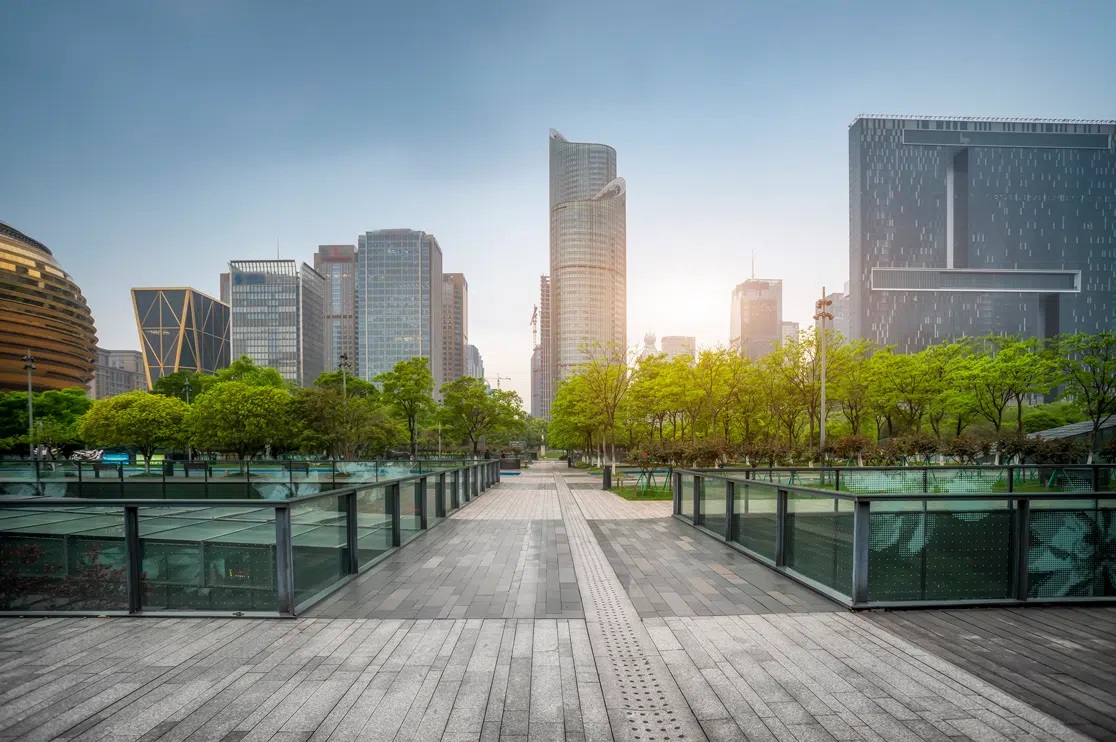

Architecture is the thoughtful practice of designing buildings and environments that influence how people live, move, and connect. It combines creativity with technical precision, transforming abstract ideas into physical spaces that serve both practical needs and emotional experiences.
Understanding Architecture Beyond Buildings
Architecture goes far beyond walls and roofs. It addresses how spaces feel, function, and respond to their surroundings. Every architectural decision—scale, form, material, or layout—affects comfort, safety, and usability.
At its foundation, architecture brings together three core aspects:
-
Aesthetics – visual harmony and character
-
Functionality – purpose-driven design
-
Engineering – strength, stability, and performance
When these elements work together, architecture becomes timeless and meaningful.
Architectural Styles Across Time
Architecture evolves with society, technology, and culture. Each era leaves behind distinctive styles that reflect its priorities.
Vernacular Architecture
Vernacular architecture is shaped by local climate, materials, and traditions. These structures prioritize practicality and cultural identity, often requiring minimal energy to maintain.
Classical and Monumental Architecture
Rooted in ancient civilizations, classical architecture values order, proportion, and symmetry. Structures such as the Colosseum demonstrate durability and formal balance.
Modernist Architecture
Modernism introduced a break from ornamentation. Architects focused on efficiency, minimalism, and industrial materials, emphasizing function over decoration.
Contemporary Architecture
Contemporary architecture is fluid and experimental. It embraces:
-
Unconventional shapes
-
Advanced construction techniques
-
Blending indoor and outdoor spaces
Iconic examples like the Sydney Opera House reflect bold creativity and engineering excellence.
Core Components of Architectural Design
Every successful building relies on careful planning and integration of key elements.
Space and Movement
Architects design how people navigate and experience a space. Good circulation improves accessibility, comfort, and usability.
Materials and Texture
Material choices define a building’s character and longevity. Commonly used materials include:
-
Concrete for strength and adaptability
-
Steel for large spans and height
-
Timber for warmth and sustainability
-
Glass for openness and light
Environmental Response
Architecture responds to climate through orientation, insulation, shading, and ventilation, ensuring efficiency and occupant comfort.
Sustainable Architecture in a Changing World
Sustainable architecture aims to minimize environmental impact while maximizing performance. It addresses global challenges such as climate change and resource scarcity.
Key sustainable principles include:
-
Energy-efficient design
-
Renewable energy integration
-
Water management systems
-
Use of recycled and low-impact materials
Green architecture supports healthier lifestyles and reduces long-term costs.
Architecture’s Influence on Communities
Architecture shapes social behavior and identity. Well-designed spaces can:
-
Strengthen community interaction
-
Preserve cultural heritage
-
Improve quality of life
-
Support economic growth
Urban architecture plays a crucial role in creating inclusive, resilient cities.
Technology and the Future of Architecture
Digital tools are redefining architectural practice. Technologies such as parametric modeling, virtual reality, and smart systems allow architects to simulate, test, and refine designs before construction begins.
Future architecture increasingly focuses on:
-
Smart and adaptive buildings
-
Climate-resilient structures
-
Human-centered design
Frequently Asked Questions (FAQs)
1. What does an architect actually do?
An architect designs buildings, plans spaces, coordinates with engineers, and ensures projects meet safety, functional, and aesthetic standards.
2. How does architecture affect daily life?
Architecture influences comfort, productivity, movement, and emotional well-being through spatial design and environmental control.
3. What is sustainable architecture?
It is an approach that reduces environmental impact through energy efficiency, responsible materials, and eco-friendly systems.
4. Is architecture only about buildings?
No, architecture also includes urban planning, landscape design, and interior environments.
5. What role does technology play in modern architecture?
Technology improves accuracy, visualization, efficiency, and innovation in design and construction processes.
6. Why are materials important in architecture?
Materials affect durability, aesthetics, cost, sustainability, and how a building performs over time.
7. How is architecture expected to evolve in the future?
Future architecture will prioritize sustainability, smart technology, adaptability, and human-centered design.

Comments are closed.