
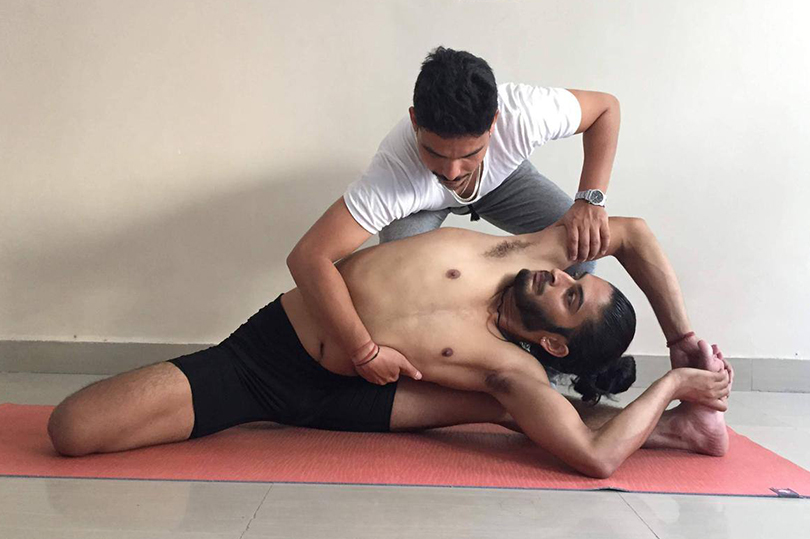

Minimalism is more than a design trend; it is a lifestyle philosophy that values simplicity, balance, and intentional living. Interestingly, the principles of hatha yoga align beautifully with minimalism. Just as yoga focuses on removing distractions of the mind to reach clarity, minimalism removes unnecessary clutter from the home to create harmony. When these two practices are combined, they offer a holistic approach to building not only a healthier body and mind but also a serene living space.
The Connection Between Yoga and Minimalism
At its core, hatha yoga teaches discipline, mindfulness, and balance. Each posture is performed with deliberate intention, requiring focus and presence. Similarly, minimalist living encourages deliberate choices, where every object in the home serves a purpose or brings genuine joy. Both practices reduce excess, whether physical or mental, and create space for clarity.
Decluttering as a Yogic Practice
Many people view decluttering as a chore, but when approached through the lens of yoga, it becomes an act of mindfulness. Removing items that no longer serve you mirrors the process of releasing tension during a yoga session.
-
Clearing physical clutter reduces stress and enhances focus.
-
Creating open spaces mirrors the expansive feeling of deep breathing.
-
Letting go of unused items cultivates detachment and freedom.
This process allows the home to transform into a space that nurtures rather than overwhelms.
Designing a Home Yoga Corner
Minimalist design is especially powerful when applied to a home yoga space. A clutter-free environment allows the mind to focus fully on practice. To create a yoga corner that reflects both minimalism and balance:
-
Choose neutral colours like white, beige, or soft grey to promote calm.
-
Use natural light where possible to energise the space.
-
Incorporate only essentials such as a mat, cushion, and perhaps a candle or plant.
-
Avoid distractions by keeping the space free from gadgets or unnecessary items.
This creates a sanctuary where hatha yoga practice feels grounded and restorative.
The Psychological Benefits of Minimalist Spaces
Research shows that cluttered spaces contribute to stress, anxiety, and even poor sleep. Minimalist homes, on the other hand, foster mental clarity and emotional stability. Practising yoga in such an environment amplifies its calming effects. The simplicity of the surroundings reduces external distractions, making it easier to focus on breathing, postures, and inner awareness.
How Hatha Yoga Inspires Minimalist Choices at Home
Hatha yoga extends beyond the mat into daily life, often influencing lifestyle decisions. Practitioners begin to see how simplicity leads to balance in many areas. At home, this might mean:
-
Choosing furniture with clean lines and multi-purpose functions.
-
Reducing decorative items to those with meaning or function.
-
Prioritising quality over quantity when purchasing household items.
-
Creating open floor space that allows free movement and natural flow of energy.
These choices reflect the yogic principle of aparigraha, or non-attachment, applied to home living.
Minimalism and Energy Flow
A cluttered environment disrupts the flow of energy and makes spaces feel heavy. Minimalist homes, like yoga postures, promote openness and balance. Hatha yoga encourages awareness of energy pathways in the body, and a minimalist home creates similar energy flow in physical space. Rooms with open layouts, natural textures, and thoughtful placement of objects create harmony that supports both relaxation and productivity.
Practical Steps to Blend Hatha Yoga and Minimalism at Home
Adopting both yoga and minimalism does not require drastic changes. Small, intentional steps can create lasting results:
-
Begin with one room at a time, removing items that do not serve your lifestyle.
-
Introduce calming elements such as indoor plants or soft fabrics for a natural touch.
-
Schedule short daily yoga sessions in your minimalist corner to reinforce the connection.
-
Practise gratitude by appreciating the simplicity around you instead of seeking more.
Consistency in these habits gradually shifts both mindset and environment.
Minimalism as Stress Prevention
Stress often arises not only from work or relationships but also from overstimulation in the home. Crowded rooms, excessive colours, and constant noise make it harder to relax. By creating a minimalist environment supported by yoga practice, individuals can prevent stress from building up in the first place. A quiet, open space becomes a reminder to slow down, breathe, and return to balance.
Extending Minimalism Beyond Interiors
Minimalist living inspired by yoga is not limited to furniture or design. It extends into other home-related habits:
-
Meal preparation: Choosing simple, wholesome meals instead of overly complex or processed foods.
-
Cleaning routines: Maintaining simplicity by keeping daily chores manageable.
-
Family interactions: Encouraging mindful conversations and reducing digital distractions.
In this way, hatha yoga principles influence how people live and interact at home, not just how they design their space.
Guided Support for Lifestyle Integration
While many people start with physical postures, yoga often inspires deeper lifestyle changes over time. Structured classes can help practitioners connect physical discipline with mental and emotional clarity, which naturally influences lifestyle decisions. Those seeking long-term support in their journey often benefit from platforms like Yoga Edition, which combine traditional practice with a modern approach to balanced living.
FAQs on Hatha Yoga and Minimalist Living
Can hatha yoga really influence how I design my home?
Yes, yoga promotes simplicity, mindfulness, and intentional living. These values often extend into how you arrange and decorate your space.
Do I need a dedicated yoga room to benefit from this lifestyle?
Not at all. Even a small, uncluttered corner can serve as an effective yoga space. What matters most is that the area feels peaceful and free from distractions.
Is minimalism suitable for families with children?
Yes, minimalism doesn’t mean living without necessities. It means creating order, reducing clutter, and teaching children the value of intentional choices.
How does a minimalist environment improve yoga practice?
It removes visual and mental distractions, allowing practitioners to focus more deeply on breath, posture, and mindfulness.
What is the first step if I want to combine yoga and minimalism?
Start with decluttering a small area, such as your yoga corner. From there, expand the practice into other parts of your home and lifestyle.

Comments are closed.