
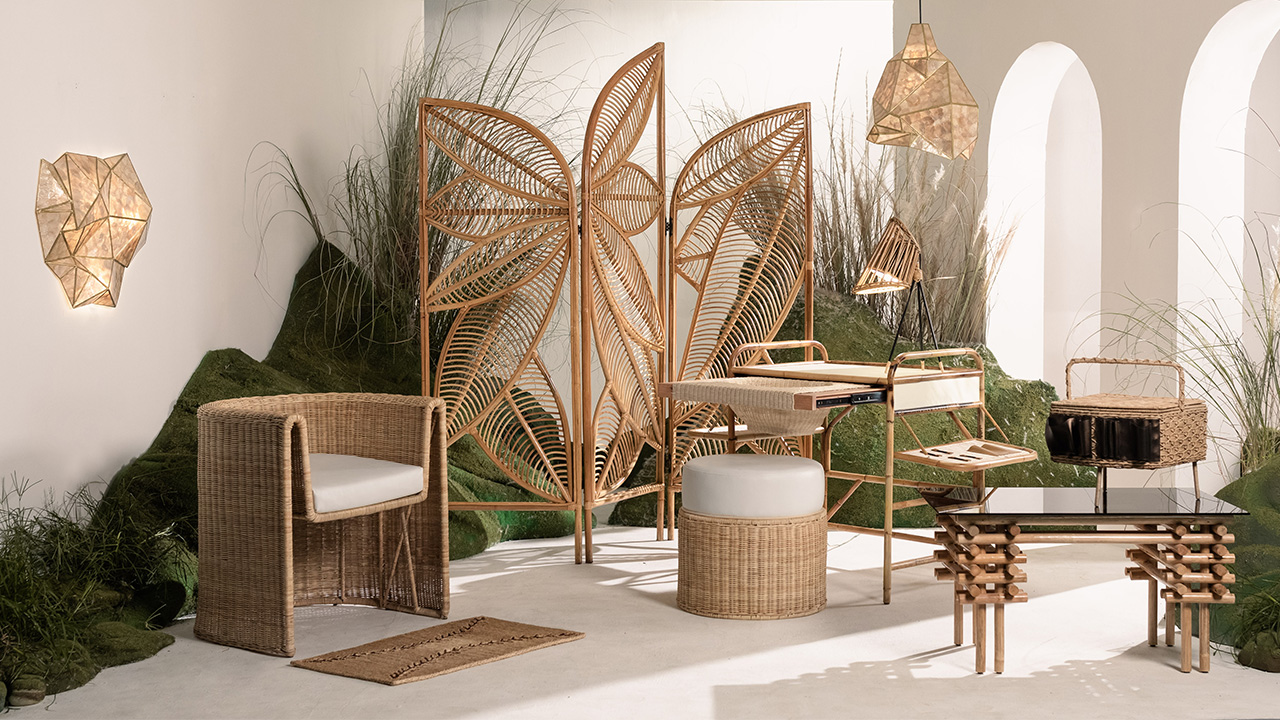

Furniture is more than a collection of objects placed inside a space. It defines how we live, work, relax, and interact with our surroundings. From ancient handcrafted wooden pieces to modern modular designs, furniture has evolved to balance functionality, comfort, and aesthetics. Choosing the right furniture can transform a house into a home and a workplace into a productive environment.
Understanding Furniture and Its Role
Furniture refers to movable items designed to support human activities such as seating, sleeping, dining, storage, and working. While its primary role is practical, furniture also reflects personal taste, cultural identity, and lifestyle preferences.
Well-chosen furniture improves posture, enhances efficiency, and contributes to emotional well-being by creating inviting and organized spaces.
Types of Furniture by Function
Residential Furniture
Residential furniture is designed for homes and living spaces, prioritizing comfort and visual harmony.
Common examples include:
-
Sofas and armchairs for living rooms
-
Beds, wardrobes, and nightstands for bedrooms
-
Dining tables and chairs for shared meals
-
Storage units such as cabinets and shelves
Office Furniture
Office furniture focuses on productivity, organization, and ergonomics.
Key elements include:
-
Ergonomic chairs to support posture
-
Desks designed for computers and paperwork
-
Storage solutions like filing cabinets
-
Conference tables for collaboration
Outdoor Furniture
Outdoor furniture is built to withstand weather conditions while offering comfort in open spaces.
Popular options include:
-
Patio seating sets
-
Garden benches
-
Outdoor dining tables
-
Sun loungers
Materials Used in Furniture Manufacturing
Wood
Wood remains one of the most popular furniture materials due to its durability and timeless appeal.
Advantages of wooden furniture:
-
Long-lasting and sturdy
-
Natural aesthetic
-
Can be refinished or repaired
Metal
Metal furniture is known for its strength and modern look.
Common uses include:
-
Office desks and chairs
-
Outdoor furniture
-
Industrial-style interiors
Upholstered Fabrics
Fabric and leather upholstery add comfort and luxury.
Popular upholstery choices:
-
Cotton and linen for breathability
-
Leather for durability and elegance
-
Synthetic fabrics for easy maintenance
Engineered Materials
Materials like plywood, MDF, and particle board offer affordability and versatility.
Why they are widely used:
-
Cost-effective
-
Consistent quality
-
Suitable for modern designs
Furniture Design Styles
Modern and Contemporary
Characterized by clean lines, neutral colors, and minimal ornamentation. These styles focus on simplicity and functionality.
Traditional
Traditional furniture emphasizes craftsmanship, rich materials, and classic forms, often inspired by historical designs.
Minimalist
Minimalist furniture eliminates excess, highlighting essential forms and uncluttered spaces.
Rustic
Rustic furniture celebrates natural textures, distressed finishes, and a warm, earthy aesthetic.
The Importance of Ergonomic Furniture
Ergonomic furniture is designed to support the human body, reduce strain, and prevent long-term health issues.
Benefits of ergonomic furniture include:
-
Improved posture
-
Reduced back and neck pain
-
Increased productivity
-
Enhanced comfort during long hours
This is especially important in office and home-work environments where people spend extended periods seated.
Sustainable and Eco-Friendly Furniture
Sustainability has become a major focus in furniture design and manufacturing. Eco-friendly furniture aims to reduce environmental impact without compromising quality.
Key features of sustainable furniture:
-
Use of reclaimed or certified wood
-
Non-toxic finishes and adhesives
-
Durable designs that reduce waste
-
Ethical production practices
Choosing sustainable furniture supports both environmental responsibility and long-term value.
How to Choose the Right Furniture
Selecting furniture requires careful consideration beyond appearance.
Important factors to evaluate:
-
Space availability and room dimensions
-
Purpose of the furniture
-
Material durability and maintenance needs
-
Comfort and ergonomics
-
Budget and long-term value
Measuring your space and understanding your daily needs helps avoid costly mistakes and overcrowded interiors.
Maintenance and Care Tips
Proper care extends the life of furniture and keeps it looking new.
Basic maintenance tips include:
-
Regular dusting and cleaning
-
Avoiding direct sunlight on wooden and upholstered pieces
-
Using protective pads under heavy items
-
Following manufacturer care instructions
Consistent maintenance preserves both appearance and structural integrity.
The Future of Furniture
Furniture design continues to evolve with advancements in technology and changing lifestyles. Smart furniture, modular designs, and multifunctional pieces are becoming increasingly popular, especially in urban living spaces where efficiency is key.
Customization, sustainability, and ergonomic innovation are shaping the future, making furniture more adaptable than ever.
Frequently Asked Questions (FAQ)
1. What is the most durable material for furniture?
Solid wood and metal are generally the most durable materials, offering long-term strength and resistance to wear when properly maintained.
2. How can I make a small room look bigger with furniture?
Using multifunctional furniture, lighter colors, and pieces with exposed legs can create the illusion of more space.
3. Is custom-made furniture better than ready-made furniture?
Custom-made furniture offers personalization and precise sizing, while ready-made furniture is usually more affordable and readily available.
4. How often should furniture be replaced?
Furniture lifespan varies by material and usage, but high-quality pieces can last 10–20 years or more with proper care.
5. What should I prioritize when buying office furniture?
Comfort, ergonomics, and adjustability should be prioritized to support productivity and physical well-being.
6. Are eco-friendly furniture options more expensive?
Some sustainable furniture may have a higher upfront cost, but it often provides better durability and long-term value.
7. How do I protect furniture from daily wear and tear?
Using covers, coasters, and routine cleaning helps protect furniture from scratches, spills, and general wear.

Comments are closed.