
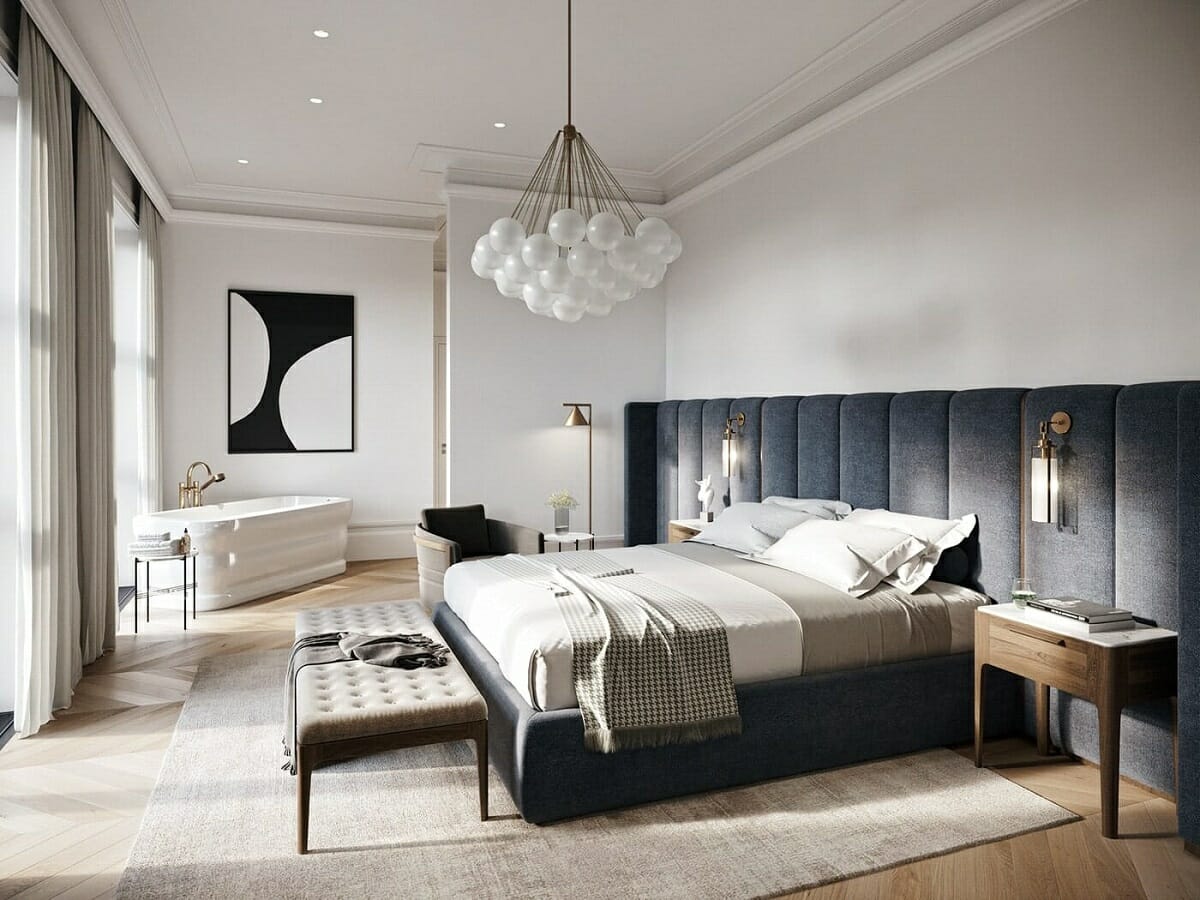

Interior design is more than decorating a room—it’s the thoughtful art and science of shaping spaces to support comfort, function, and personal expression. A well-designed interior balances aesthetics with practicality, transforming everyday environments into places that truly feel like home.
What Is Interior Design?
At its core, interior design focuses on improving the interior of a space to achieve a healthier and more visually pleasing environment. It considers how people move, live, and interact within a space, blending creativity with technical planning.
Interior design typically involves:
-
Space planning and layout
-
Color theory and material selection
-
Lighting design
-
Furniture and décor curation
-
Functional optimization
Key Principles of Interior Design
Understanding foundational principles helps create cohesive and inviting interiors.
Balance
Balance ensures visual stability. It can be:
-
Symmetrical: equal elements on both sides
-
Asymmetrical: different elements with equal visual weight
-
Radial: elements arranged around a central point
Harmony and Unity
Harmony ties all design elements together so the space feels complete. Consistent colors, materials, and styles help achieve unity.
Rhythm
Rhythm guides the eye through a space using repetition, contrast, or progression—such as recurring patterns or color accents.
Emphasis
Every room benefits from a focal point, whether it’s a fireplace, artwork, or statement furniture piece.
Proportion and Scale
Correct sizing of furniture and décor ensures the room feels comfortable rather than cramped or empty.
Popular Interior Design Styles
Different styles reflect different lifestyles and preferences. Choosing the right one helps define the mood of a space.
Modern Interior Design
-
Clean lines and uncluttered spaces
-
Neutral color palettes with bold accents
-
Emphasis on function and simplicity
Minimalist Design
-
“Less is more” philosophy
-
Limited color schemes
-
Highly functional furniture
Scandinavian Design
-
Light, airy spaces
-
Natural materials like wood and linen
-
Warm neutrals combined with soft textures
Contemporary Design
-
Constantly evolving with current trends
-
Mix of textures and materials
-
Balanced blend of comfort and sophistication
The Role of Color in Interior Design
Color strongly influences mood and perception. Strategic color use can make rooms feel larger, warmer, calmer, or more energetic.
Color tips to consider:
-
Light colors open up small spaces
-
Dark shades add depth and drama
-
Warm tones create coziness
-
Cool tones promote calm and relaxation
Lighting: The Unsung Hero of Interiors
Lighting shapes how a room is experienced. A layered approach works best.
-
Ambient lighting: overall illumination
-
Task lighting: focused light for work areas
-
Accent lighting: highlights artwork or architectural features
Natural light should always be maximized where possible.
Furniture and Space Planning
Furniture should support both function and flow. Thoughtful placement allows easy movement and enhances usability.
When selecting furniture:
-
Prioritize comfort and durability
-
Match scale to room size
-
Choose versatile pieces for smaller spaces
Sustainable Interior Design
Sustainability is becoming central to modern interior design. Eco-conscious choices reduce environmental impact while enhancing indoor health.
Common sustainable practices include:
-
Using reclaimed or recycled materials
-
Choosing low-VOC paints
-
Investing in quality pieces that last longer
-
Incorporating energy-efficient lighting
Why Interior Design Matters
Well-designed interiors improve quality of life. They influence productivity, relaxation, and emotional well-being, making spaces not just beautiful—but meaningful.
Frequently Asked Questions (FAQs)
What is the difference between interior design and interior decoration?
Interior design involves space planning, functionality, and technical considerations, while interior decoration focuses mainly on aesthetics and furnishings.
How do I choose the right interior design style for my home?
Consider your lifestyle, space size, and personal preferences. Exploring different styles and identifying what resonates most helps narrow choices.
Is interior design only for large homes?
No. Interior design is valuable for spaces of all sizes, especially small homes where smart planning makes a big difference.
How important is lighting in interior design?
Lighting is crucial. It affects mood, functionality, and how colors and textures appear within a space.
Can I mix different interior design styles?
Yes. When done thoughtfully, mixing styles can create unique and personalized interiors without feeling chaotic.
What are the biggest mistakes in interior design?
Common mistakes include poor lighting, overcrowding furniture, ignoring scale, and choosing style over comfort.
How often should interior design be updated?
There’s no fixed rule. Minor updates every few years and major refreshes every 8–10 years keep spaces feeling current.

Comments are closed.