
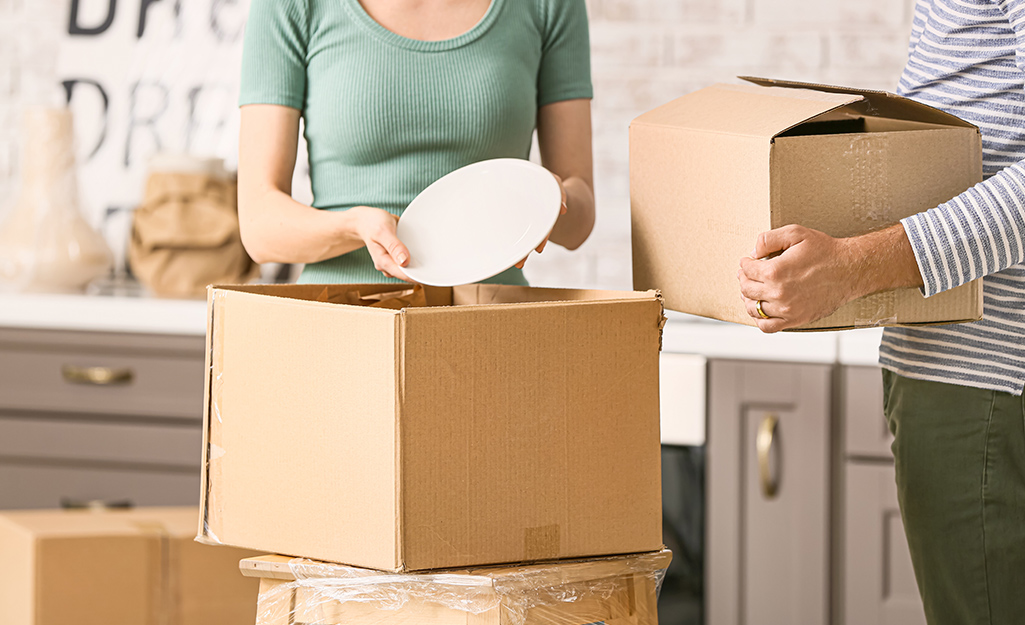

Moving homes is more than transporting belongings from one address to another—it’s a process that demands strategy, patience, and smart decision-making. Whether you’re upgrading, downsizing, or starting fresh in a new city, a well-structured approach can turn a chaotic experience into an organized success.
Understanding the Moving Process
Relocation involves multiple phases, each requiring attention to detail. Recognizing these stages early helps reduce stress and last-minute errors.
Key Stages of a Move
-
Pre-move planning and decluttering
-
Packing and labeling belongings
-
Transportation and loading
-
Unpacking and home setup
Each phase builds on the previous one, making preparation essential.
Pre-Move Preparation That Saves Time and Money
Preparation is the backbone of any successful move. The more groundwork you complete early, the smoother the transition will be.
Declutter Before You Pack
Moving unnecessary items wastes time and money. Before packing:
-
Donate unused clothing and furniture
-
Sell items in good condition
-
Discard broken or obsolete belongings
Fewer items mean fewer boxes, lower costs, and faster unpacking.
Create a Moving Checklist
A checklist keeps everything on track and prevents oversight. Include tasks such as:
-
Booking movers or transport
-
Collecting packing materials
-
Notifying utility providers
-
Updating your address
Packing With Purpose and Precision
Packing isn’t just about filling boxes—it’s about protecting your possessions and simplifying unpacking.
Efficient Packing Techniques
-
Pack similar items together
-
Use small boxes for heavy items
-
Label boxes with room name and contents
-
Number boxes for inventory tracking
Handling Fragile and Valuable Items
-
Wrap breakables individually
-
Cushion empty spaces to prevent shifting
-
Keep valuables and documents with you
Choosing the Right Moving Method
Selecting the right moving option depends on your needs, distance, and budget.
Professional Movers
Best suited for large homes or long-distance moves.
-
Trained handling of heavy items
-
Faster loading and unloading
-
Reduced physical strain
Self-Move Option
Ideal for small households or local relocations.
-
Greater control over timing
-
Lower upfront costs
-
Requires physical effort and planning
Hybrid Moving
Combines professional help for heavy items with DIY packing to balance cost and convenience.
Moving Day Best Practices
Moving day can feel overwhelming, but structure keeps things manageable.
Before Departure
-
Secure parking access
-
Perform a final walkthrough
-
Keep essentials easily accessible
During the Move
-
Supervise loading carefully
-
Communicate clearly with helpers
-
Stay hydrated and take short breaks
After Arrival
-
Inspect items for damage
-
Unload boxes by room
-
Assemble key furniture first
Settling Into Your New Space
Unpacking is a gradual process. Focus on comfort and function before aesthetics.
First Essentials to Set Up
-
Bedroom and bedding
-
Bathroom necessities
-
Kitchen basics
-
Internet and utilities
A functional home creates a sense of stability quickly.
Common Relocation Mistakes to Avoid
-
Packing without labeling
-
Waiting too long to book movers
-
Forgetting to measure furniture and doorways
-
Overpacking boxes
-
Ignoring weather conditions
Avoiding these errors can save both time and frustration.
Frequently Asked Questions (FAQ)
How early should I begin packing for a move?
Start packing non-essential items 4–6 weeks before moving day to avoid rushing.
What should go into a moving essentials box?
Include toiletries, chargers, medications, documents, snacks, and a change of clothes.
How do I protect furniture during a move?
Use furniture blankets, plastic wrap, and corner protectors to prevent damage.
Is it better to move on a weekday or weekend?
Weekdays are often cheaper and less busy, while weekends offer more flexibility.
How can I stay organized while unpacking?
Unpack room by room and follow your labeled boxes for efficiency.
What should I do if something gets damaged during the move?
Document the damage immediately and report it to the mover or insurance provider.
How long does it usually take to feel settled after moving?
Most people feel comfortable within two to four weeks, depending on organization and routine.

Comments are closed.