
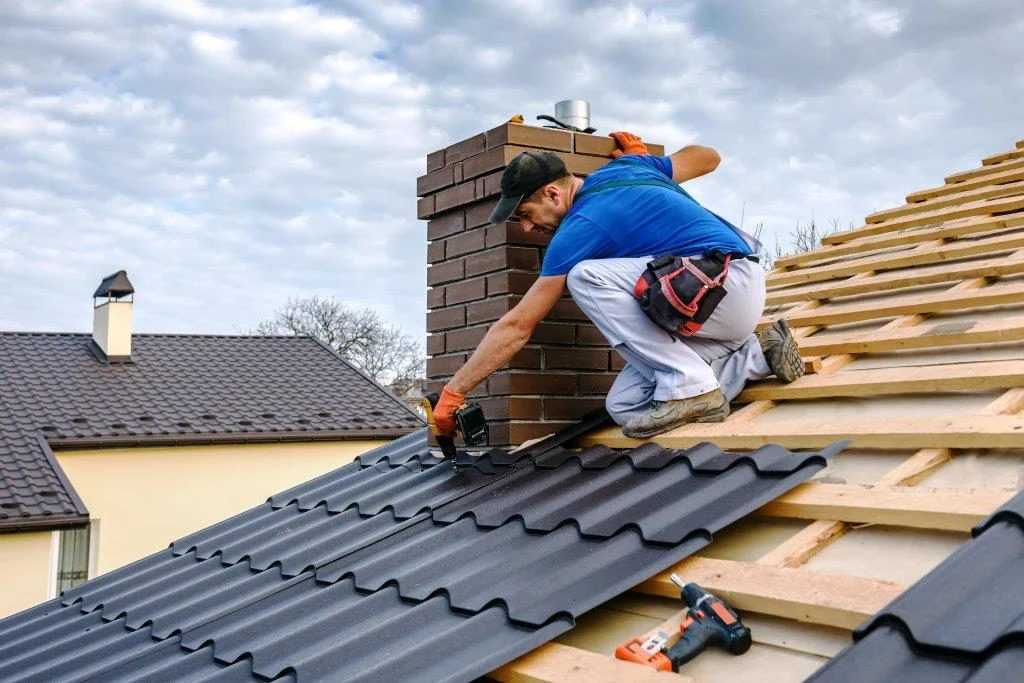

Roofing is one of the most critical components of any building. It protects the structure from weather, enhances energy efficiency, and significantly influences curb appeal. Whether you’re constructing a new home or planning a roof replacement, understanding roofing fundamentals helps you make informed, long-lasting decisions.
Why Roofing Matters More Than You Think
A roof does far more than cover a building. A well-designed and properly installed roof:
-
Shields against rain, wind, snow, and UV rays
-
Improves insulation and indoor comfort
-
Prevents structural damage and moisture intrusion
-
Boosts property value and visual appeal
Neglecting roofing quality often leads to costly repairs and long-term issues such as mold, rot, and energy loss.
Common Roofing Materials Explained
Choosing the right roofing material depends on climate, budget, and architectural style. Below are some of the most widely used options.
Asphalt Shingles
Asphalt shingles remain the most popular residential roofing material due to affordability and versatility.
-
Cost-effective and widely available
-
Easy to install and repair
-
Available in various colors and textures
-
Average lifespan of 20–30 years
Metal Roofing
Metal roofs are known for durability and modern aesthetics.
-
Extremely long-lasting (40–70 years)
-
Resistant to fire, wind, and insects
-
Reflects heat, improving energy efficiency
-
Higher upfront cost but lower maintenance
Tile Roofing
Clay and concrete tiles are commonly seen in warm or coastal regions.
-
Distinctive, timeless appearance
-
Excellent resistance to heat and fire
-
Heavy material requiring strong structural support
-
Lifespan often exceeds 50 years
Slate Roofing
Slate is a premium roofing option valued for natural beauty and longevity.
-
Natural stone with unmatched durability
-
Can last over 100 years
-
High material and installation cost
-
Requires experienced installation
Understanding the Roofing Installation Process
Professional roofing installation follows a structured process to ensure performance and longevity.
-
Inspection and measurements to assess structure and requirements
-
Removal of old roofing materials, if replacing
-
Deck preparation to ensure a solid foundation
-
Underlayment installation for moisture protection
-
Final roofing material installation with proper sealing and flashing
Proper installation is just as important as material choice. Even premium materials can fail if installed incorrectly.
Roof Maintenance and Care Tips
Routine maintenance extends roof life and helps avoid unexpected expenses.
-
Inspect the roof at least twice a year
-
Clear debris from gutters and roof surfaces
-
Replace damaged or missing shingles promptly
-
Check flashing around chimneys and vents
-
Address small leaks before they spread
Preventive care often costs far less than major repairs or full replacement.
Signs You May Need Roof Repair or Replacement
Recognizing early warning signs can save time and money.
-
Curling, cracked, or missing shingles
-
Water stains on ceilings or walls
-
Sagging roof sections
-
Excessive granules in gutters
-
Rising energy bills without explanation
If multiple issues appear, a full roof replacement may be more cost-effective than repeated repairs.
Energy Efficiency and Modern Roofing
Modern roofing systems are designed with energy efficiency in mind. Cool roofs, reflective coatings, and improved insulation can significantly reduce heat absorption, keeping interiors cooler and lowering energy costs. Sustainable roofing choices also contribute to reduced environmental impact.
Choosing the Right Roofing Contractor
A skilled contractor is essential for successful roofing projects.
-
Verify licensing and insurance
-
Check reviews and past work
-
Request written estimates and warranties
-
Ensure clear communication throughout the project
Quality workmanship protects your investment and ensures compliance with building standards.
Frequently Asked Questions
How long does a typical roof last?
Roof lifespan depends on material. Asphalt shingles last around 20–30 years, while metal, tile, and slate roofs can last several decades longer.
What is the best roofing material for extreme weather?
Metal roofing performs exceptionally well in extreme weather due to its wind resistance, durability, and fire resistance.
Can I install a new roof over an old one?
In some cases, yes. However, installing over old shingles may hide structural issues and reduce lifespan, so a professional inspection is recommended.
How often should a roof be inspected?
Roofs should be inspected at least once a year and after major storms to identify potential damage early.
Does roof color affect energy efficiency?
Yes. Lighter-colored roofs reflect more sunlight and can help reduce cooling costs in warm climates.
Is roof maintenance really necessary?
Regular maintenance prevents small issues from becoming major problems and helps maximize roof lifespan.
How do I know if a leak is coming from the roof?
Common signs include water stains, mold growth, or damp insulation. A roofing professional can accurately locate the source.

Comments are closed.